Health Equity startscloseto home.
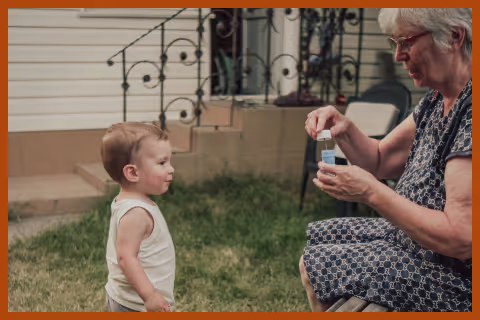
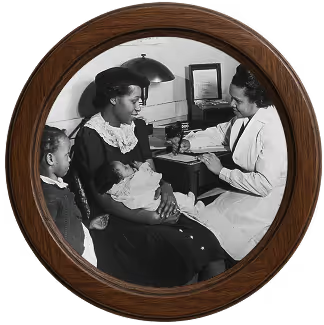
Across the nation, neighbors have always looked out for one another. But too many hardworking people—pursuing their dreams, raising families, serving their communities—are being left behind when it comes to health. Health equity means every American has a fair chance at good health, no matter their background or zipcode.
“Close to Home” is a place to understand these connections and build community, so good health is within reach for all.
Our health is shaped by many factors—the places we call home, the work we do, the pressures we face, the food on our tables, and the support of our communities.
This diversity of lived experience should strengthen us, not limit our ability to lead healthy lives.















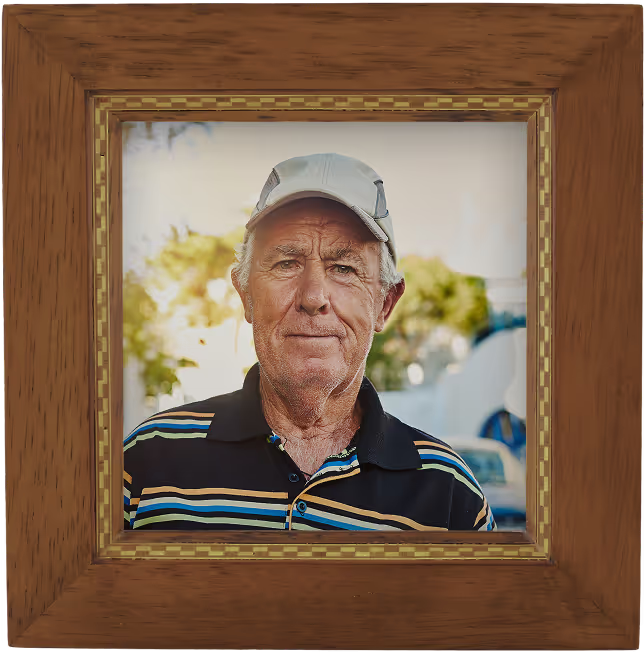
Fred
65 YRS
Small mid-west town
Retired factory worker, now part-time at community center
MeetFred,an Aging Neighbor
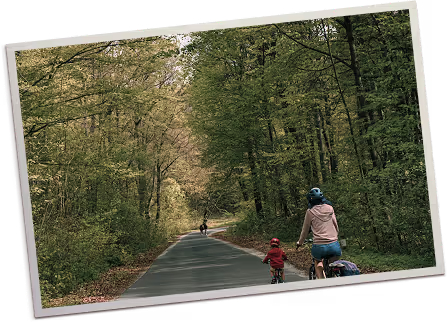
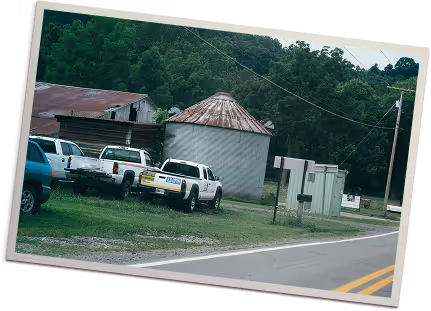
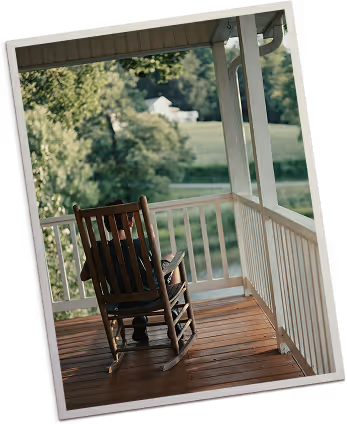
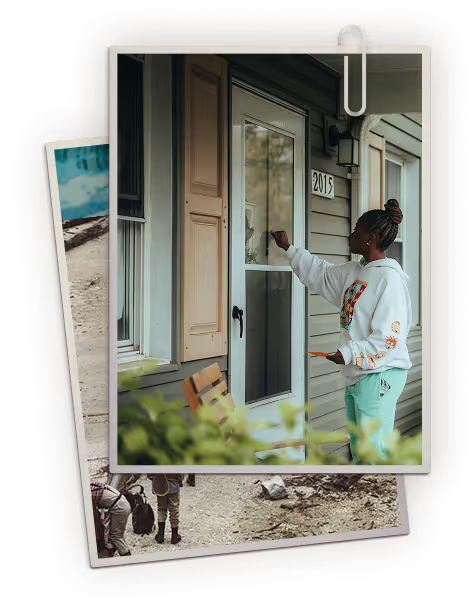
Fred is 65 and lives in a small rural town. He spent decades in physically demanding manufacturing jobs and now works part-time at his local community center to stay active and supplement his income.
He enjoys helping others, but health challenges make it harder to keep up. Fred has rheumatoid arthritis, an autoimmune condition that causes joint pain and inflammation. Managing it requires regular visits to a specialist, but long distances, limited providers, and tight finances make care difficult to access.
Fred’s story is fictional, based on real-life challenges.
There are many factors shaping Fred'shealth
Factors we have influence over
Factors we don't have influence over
Click tabs to switch folders
Communities, daily conditions, and social factors often have the biggest influence on our health behaviors and long-term wellbeing.
Physical & social environment factors
Communities, daily conditions, and social factors often have the biggest influence on our health behaviors and long-term wellbeing
Work’s lasting impact
Years of physical labor led to chronic back pain
Food access
Healthy, affordable options are hard to find in his rural area
Getting around
Limited public transit makes mobility a challenge without a car
Isolation
Living alone since his spouse’s passing can feel isolating
Social connection
Neighbors and church friends help reduce loneliness and stress
Purpose and routine
Part-time work at the community center offers income and connection
Healthcare factors
Medical care plays an important role, but the majority of health outcomes are shaped beyond the doctor’s office
Limited services
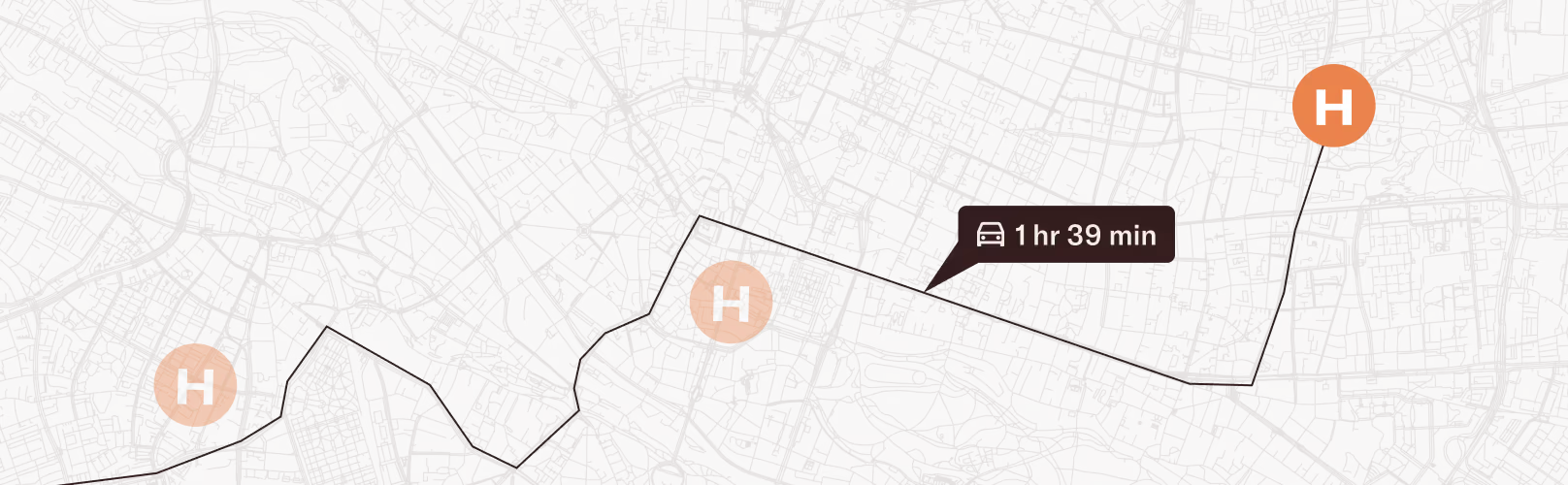
The nearest hospital is 45 minutes away, and local clinics lack specialists
Cost of care
Medication expenses sometimes stretch his budget
Getting to care
Transportation barriers make it hard to reach appointments or the pharmacy
Connectivity challenges
Virtual visits help, but slow and inconsistent broadband limits access
Biological factors
Biology influences our health through genetics and aging, factors largely beyond our control
Family health history
Autoimmune diseases and arthritis run in his family, increasing his risk
Aging
Natural changes affect Fred’s energy, mobility, and recovery
Fred'shealth has been improving because of

People that help
Faith community
Church friends check in and share healthy meals
Workplace support
Coworkers at the community center encourage him to stay active
Peer connection
Walking buddies help him stay mobile and reduce isolation
Systems that support
Local wellness programs
The community center offers exercise and pain management classes
Food assistance
A local food box program provides affordable, healthy groceries
Senior services
Town programs connect older adults to volunteer support and social activities
At-risk funding
These local resources face uncertainty due to federal reductions in rural and senior health programs

People that help
Workplace flexibility
His employer offers flexible hours so he can rest or make appointments
Community support
Family calls and visits help with medication reminders and motivation
Neighbor support
Friends pick up groceries and prescriptions when pain flares
Systems that support
Accessible care
The clinic provides telehealth visits, reducing long travel times
Insurance coverage
Insurance covers most of his medications and chronic care
Proactive follow-up
A nurse from his primary care provider checks in about his blood pressure and diabetes
Angela
38 YRS
Working-class neighborhood in the city
Home health aide and single mom of two young children
MeetAngela,a Mom & Caregiver
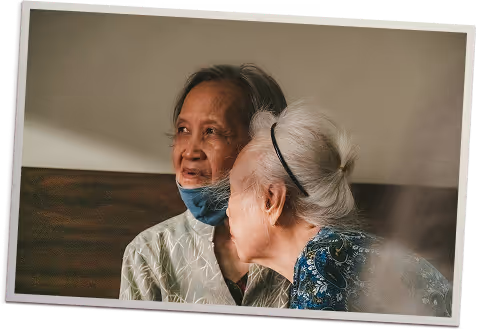
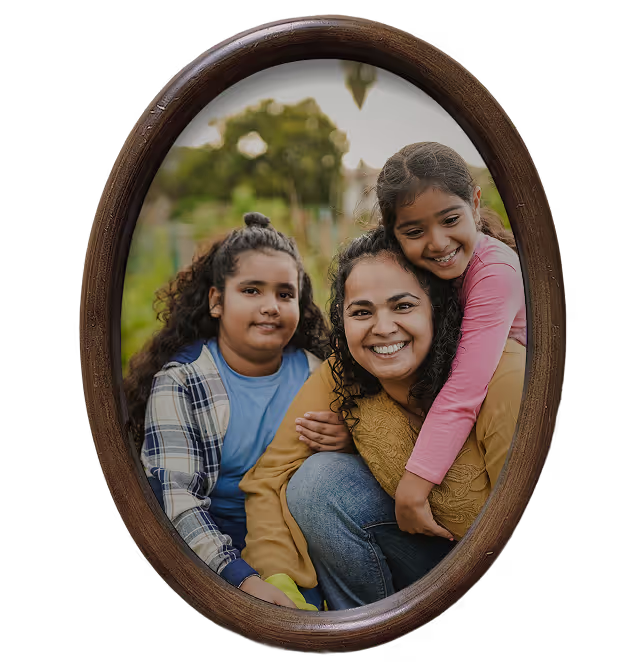
Angela’s day starts before sunrise. She gets her children ready for school, checks on her aging parents, and travels across the city for her home-care shifts. Her parents depend on her to navigate the healthcare system because they speak limited English and struggle with appointments on their own.
Her youngest has asthma worsened by poor housing conditions, and long wait times at the clinic make timely care difficult. Angela has limited employer benefits, and comprehensive insurance is out of reach. She works hard to keep everyone healthy while juggling caregiving and an unpredictable schedule.
Angela’s story is fictional, based on real-life challenges.
There are many factors shaping Angela'shealth
Factors we have influence over
Factors we don't have influence over
Click tabs to switch folders
Communities, daily conditions, and social factors often have the biggest influence on our health behaviors and long-term wellbeing.
Physical & social environment factors
Communities, daily conditions, and social factors often have the biggest influence on our health behaviors and long-term wellbeing
Chronic stress
Long hours and caregiving demands contribute to fatigue
Health management strain
Work pressures affect blood pressure and asthma control
Unsafe housing
Air pollution and mold worsen her child’s asthma
Childcare instability
Unreliable childcare makes attending appointments difficult
Language navigation
Her parents’ limited English requires Angela to accompany them, adding additional stress and complications when finding care for herself and children
Food access
A local pantry and neighborhood market help stretch her budget
Healthcare factors
Medical care plays an important role, but the majority of health outcomes are shaped beyond the doctor’s office
Limited access
Reduced clinic hours and long waits delay her children’s asthma care and routine checkups
Insurance gaps
As a home health aide with limited benefits, comprehensive coverage is unaffordable
Rising costs
Copays and premiums strain her budget after subsidy reductions
Lost income
Missing shifts for family appointments reduces her earnings
Biological factors
Biology influences our health through genetics and aging, factors largely beyond our control
Family history
Asthma and diabetes increase baseline risk
Angela'shealth has been improving because of

People that help
Childcare support
Neighbors watch her children so she can take her parents to medical appointments
Workplace support
Coworkers trade shifts with her to accommodate her schedule and share resources on community health centers that can provide care for her family
Systems that support
Extended access
A local coalition offers a Saturday clinic for working caregivers
Employer flexibility
Her job provides paid time off for medical visits
Housing support
A rental assistance program helps address unsafe conditions
After-school programs
Local programs provide meals, tutoring, and supervision, giving Angela reliable coverage when appointments or work run long
People that help
Community advocate
School nurse providing extra support in asthma management for her children
Shared transportation
Neighbors provide rides to the clinic
Neighborly aid
Sharing information about low-cost medication programs and clinics
Systems that support
Community health workers
A system of trusted healthcare navigators bridges cultural and language gaps by advocating for Angela’s family and connecting them to appropriate services
Care coordination
A social worker helps streamline appointments and paperwork
Health resources
Nonprofits supply inhalers, air purifiers, and utility assistance
Language access
On-demand interpreters and translated materials improve care, though funding remains uncertain

Marcus
47 YRS
Neighborhood in a recovering former factory town
Transportation dispatcher and U.S. Army veteran
MeetMarcus,a Veteran Rebuilding
Marcus served two tours overseas, and adjusting to civilian life remains challenging. He manages an old knee injury that sometimes requires a wheelchair and lives with PTSD that spikes under stress. As a transportation dispatcher, he has steady hours, but getting to his own appointments is difficult when buses run infrequently or pain limits his mobility.
His VA benefits help, but the nearest clinic is understaffed after federal hiring freezes reduced medical and mental health staff, and appointment wait times stretch for weeks. With support from a counselor, a neighbor, and a veteran peer group, Marcus is slowly rebuilding trust in the systems meant to serve him.
Marcus’s story is fictional, based on real-life challenges.
There are many factors shaping Marcus'shealth
Factors we have influence over
Factors we don't have influence over
Click tabs to switch folders
Communities, daily conditions, and social factors often have the biggest influence on our health behaviors and long-term wellbeing.
Physical & social environment factors
Communities, daily conditions, and social factors often have the biggest influence on our health behaviors and long-term wellbeing
Mental health
PTSD and anxiety stem from combat exposure
Accessibility challenges
Older rental housing lacks accessibility features
Peer connection
Veteran groups and the recreation center provide social support
Employment stability
His dispatcher role offers structure, purpose, and coverage
Family support
His sister provides encouragement and stability
Housing barriers
Cuts to federal housing improvement grants limit accessibility upgrades
Healthcare factors
Medical care plays an important role, but the majority of health outcomes are shaped beyond the doctor’s office
VA wait times
Appointments are often delayed due to staffing shortages
Therapy disruptions
Missed physical therapy occurs when transit options are unreliable
Benefits navigation
Managing paperwork and referrals is difficult without guidance
Fragmented care
Coordinated physical and mental health support remains limited
Biological factors
Biology influences our health through genetics and aging, factors largely beyond our control
Chronic injury
A past knee injury limits mobility and increases pain
Sleep disruption
Insomnia and muscle tension reduce daily energy
Family history
Genetic predisposition for high-blood pressure that can be exacerbated by long-term stress
Marcus'shealth has been improving because of
People that help
Workplace flexibility
His supervisor allows flexible hours for therapy
Housing advocacy
Case manager at local Veteran Advocacy group helping help him get an accessible apartment unit
Systems that support
Transit expansion
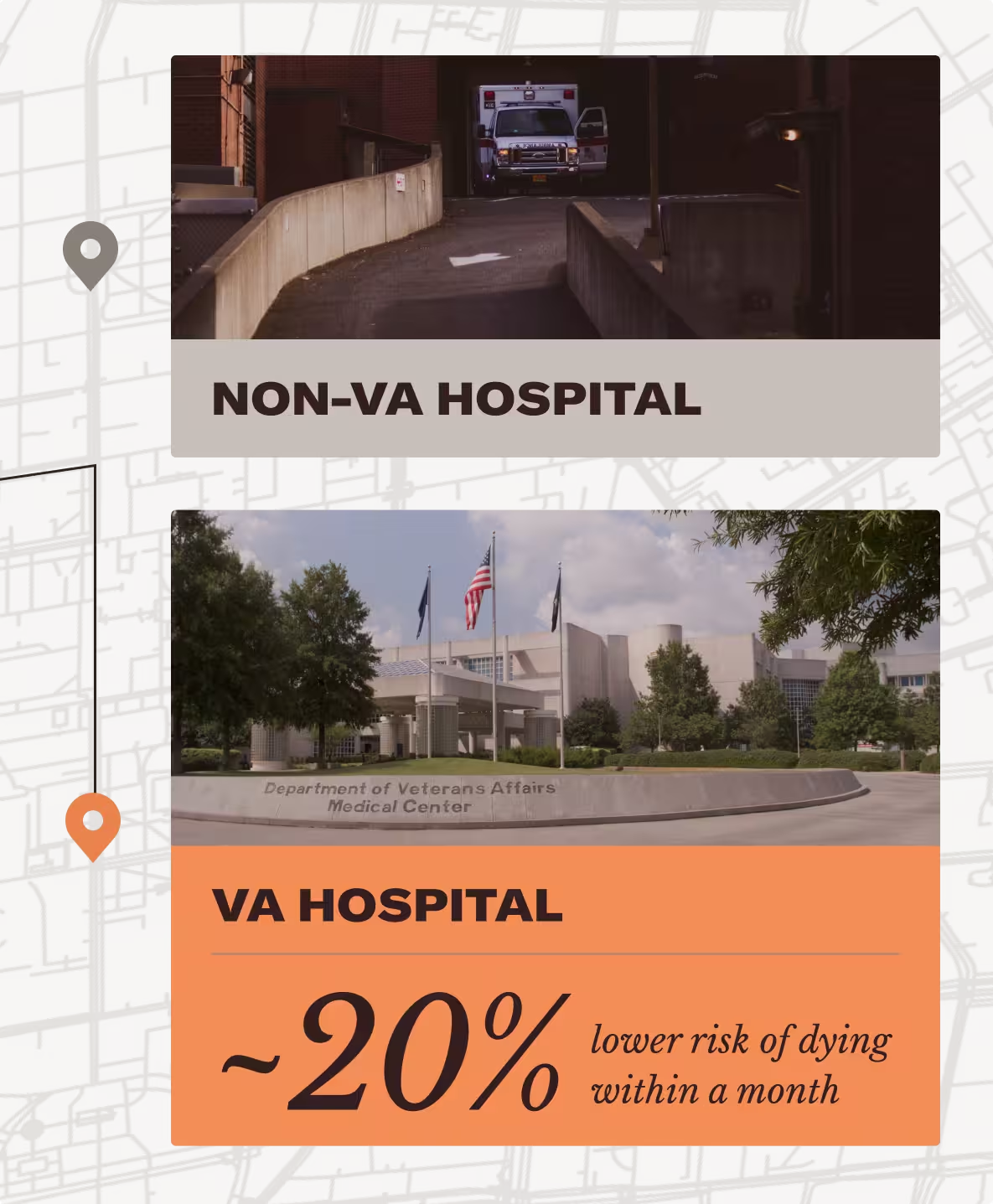
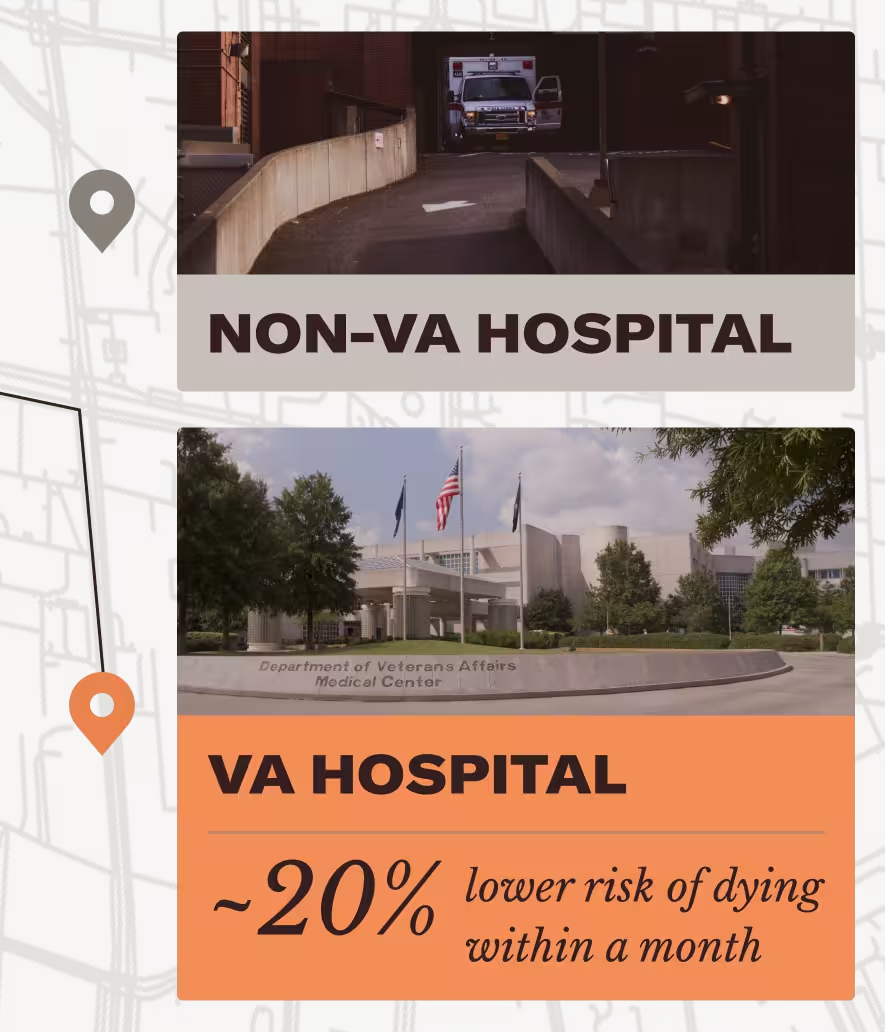
City transit adds weekend routes to the VA hospital
Accessibility help
A local nonprofit supports home accessibility improvements
Recreation programs
The recreation center offers adaptive fitness and job resources
People that help
Veteran peers
Fellow veterans keep him engaged in therapy and exercise
Neighbor assistance
Neighbors offer rides when transportation falls through
Family support
His sister helps manage paperwork and appointments
Systems that support
Mobile VA care
A VA mobile clinic improves access in his neighborhood
Crisis support
A mental health hotline provides after-hours counseling
Counseling support
A community counselor provides consistent emotional care



Across the country, hardworking people like Fred, Angela, and Marcus are doing their best, yet still face barriers that make staying healthy harder than it should be.
Their challenges aren’t a matter of effort—they reflect gaps in access that many families across America face every day.
Diversity, equity, and inclusion can help close that gap. Together, these values help ensure that every person in every community has the support and access they need.
Diversity
all people
Equity
fair access to the opportunities that help families stay well
Inclusion
everyone gets to be part of the American Dream

or scroll to continue learning
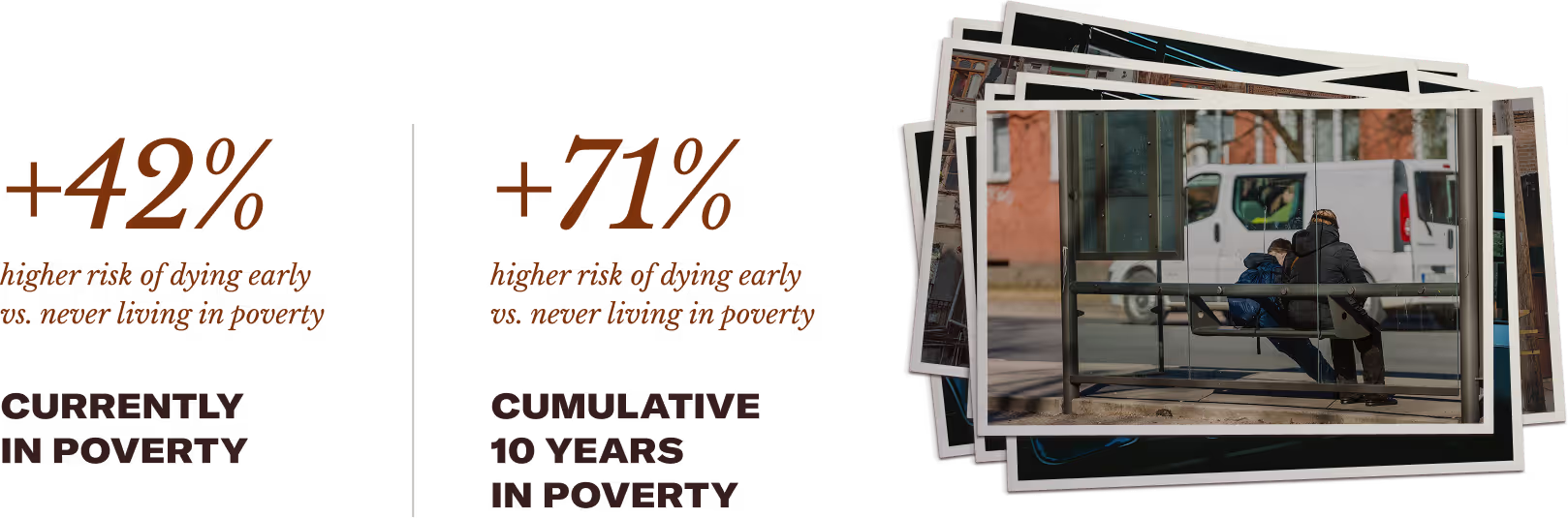
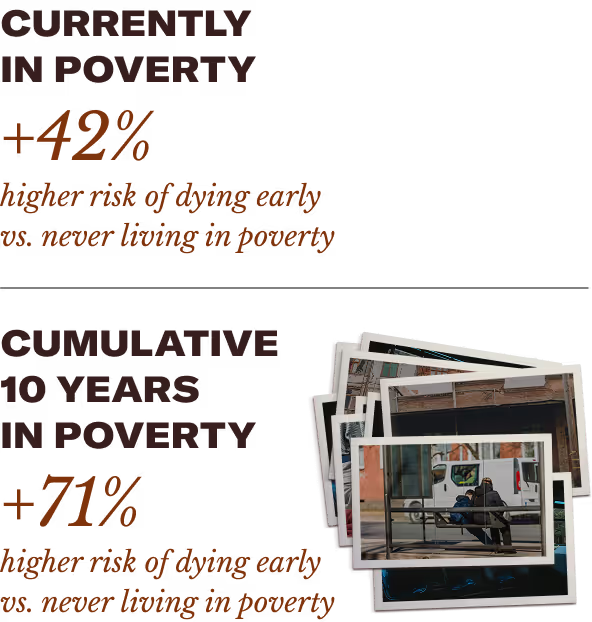
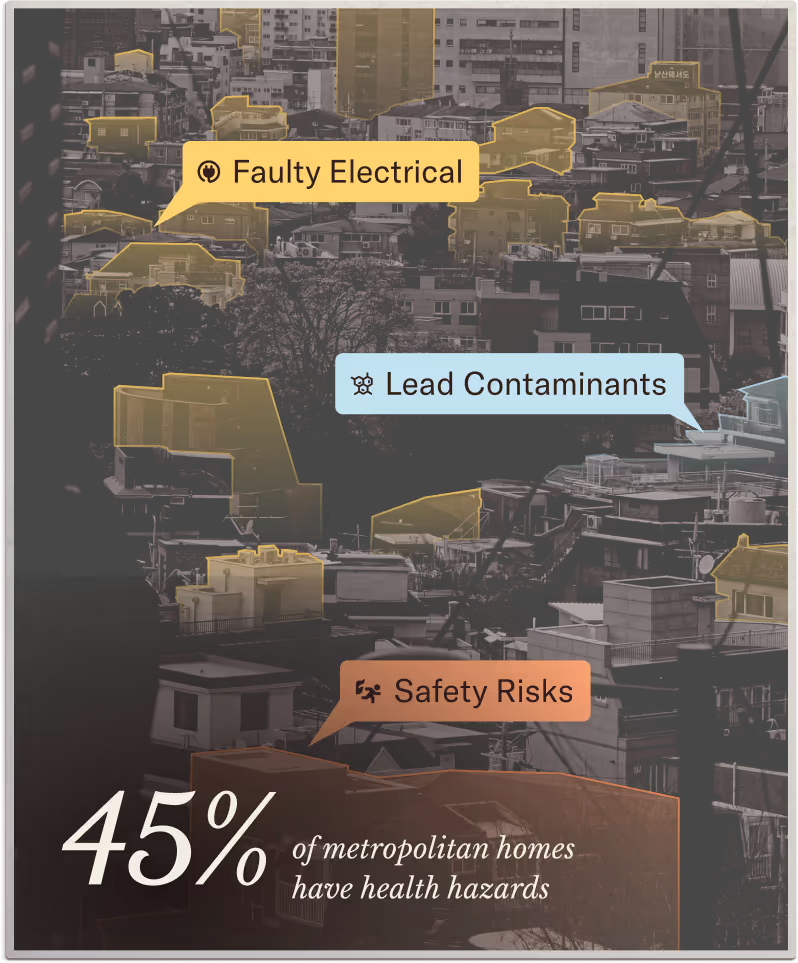
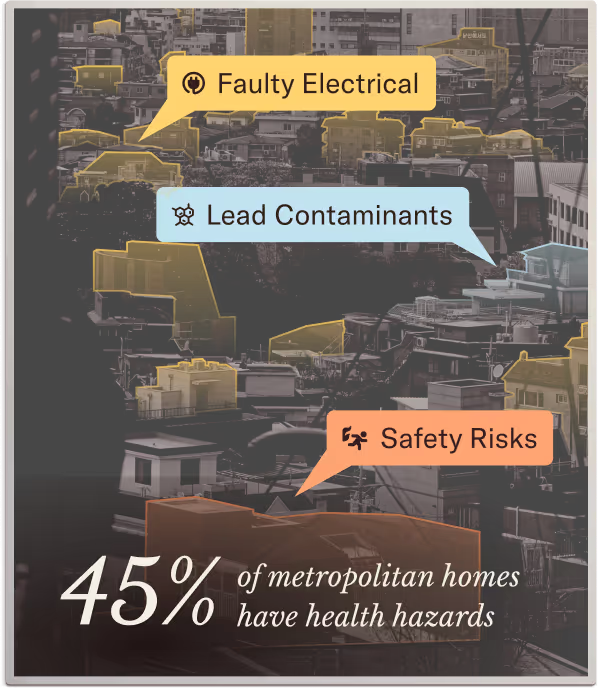
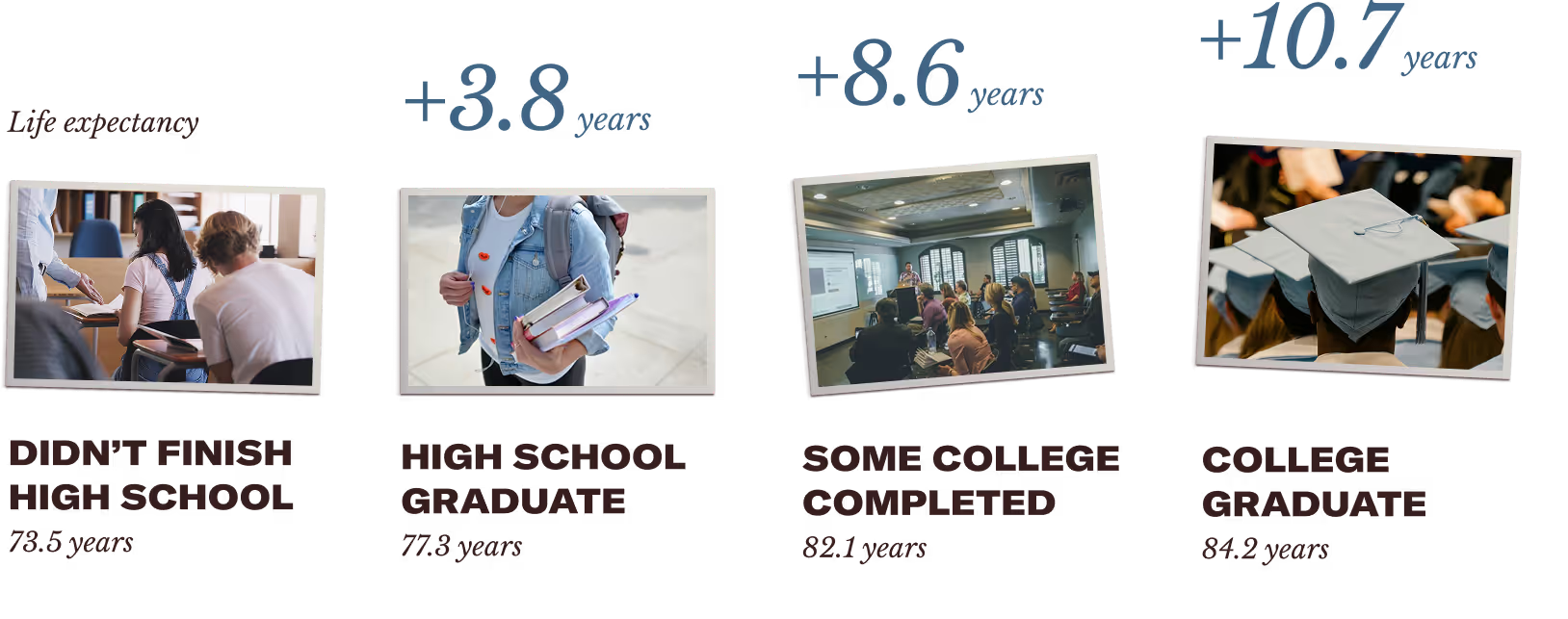
Our health depends on more than our individual decisions.
Health-related struggles can feel like bad luck or personal choices—but so much of what shapes our health comes down to the surroundings we share and the systems we all interact with.









Advancing Community-Driven Solutions for Health Equity
American Pride Rises
2026 Health Equity Microgrant Program
American Pride Rises (APR) is committed to building healthier, more equitable communities across the United States—particularly among populations that have historically faced barriers to health and opportunity. DEI is a critical lens through which we can tackle these disparities.
APR invites nonprofits and community-based organizations that are planning to or actively implementing projects aimed at addressing health inequities at the local level to apply for microgrants to support their efforts.



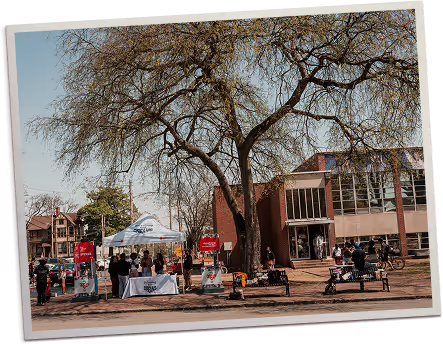
who can apply

Applicants
Must be U.S.-based nonprofits or community organizations with a fiscal sponsor.
Projects
Must be based in the US, align with the values of American Pride Rises, incorporate community involvement, and be focused on health equity.
APR welcomes all eligible organizations to apply and specifically encourages organizations led by or projects that empower:
Indigenous communities
Veterans
Communities of Color
Rural communities
LGBTQ+ community
Disabled community
For this program, APR is especially interested in:
Projects demonstrating strong community engagement and leadership.
Efforts targeting specific populations that are disproportionately impacted by systemic health disparities.
Organizations located in or intentionally serving high-need regions.
Learnings that expand our understanding of how DEI supports and delivers improved outcomes.
Applicants are encouraged to think creatively about their project—bold and brave ideas are welcomed. Remember to keep the focus of the project aligned with health equity, but don’t be afraid to dream.
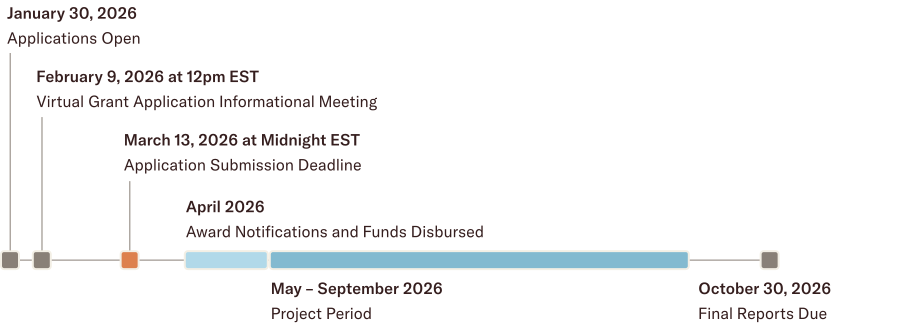
Timeline

funding tiers

I: Builder
Up to $5,000
For early-stage, foundational projects
II: Visionary
$5,000–$8,000
For scalable, forward-thinking projects
III: Dreamer
$8,000–$10,000
For bold, high-impact projects
How to apply

Applicants must submit an application including all required documents via APR’s online grant portal. Before submitting an application, please review application details and the outline of the microgrant program in the Grant Guide.
Questions?
Contact our Health Equity Team, grants@aprnetwork.org
Resources to take action close to home.
Ready to take action where it matters most? These resources offer simple, practical steps to support your family, show up for your neighbors, and strengthen your community. Together, we can build healthier, stronger communities—starting close to home.
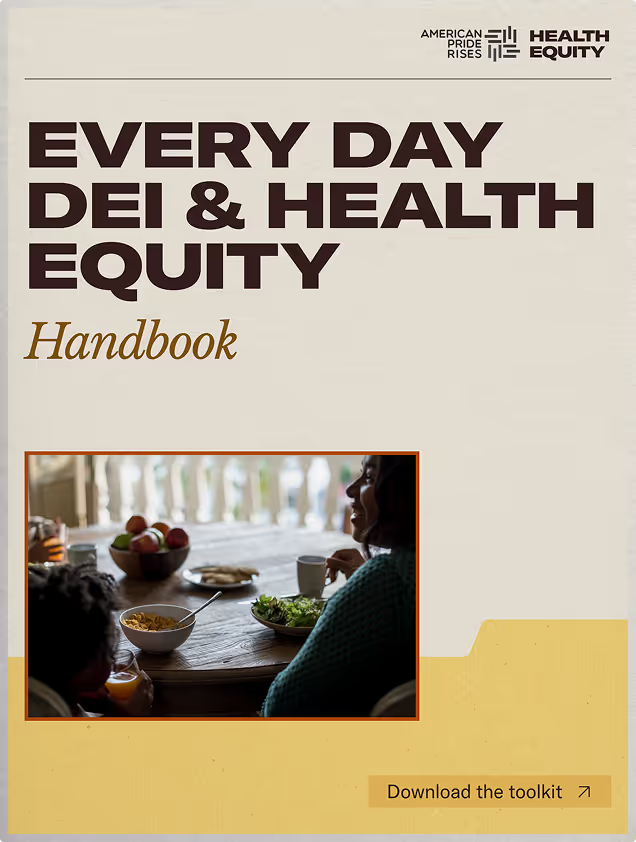
Learn how fairness fuels healthier communities and what each of us can do right where we live.
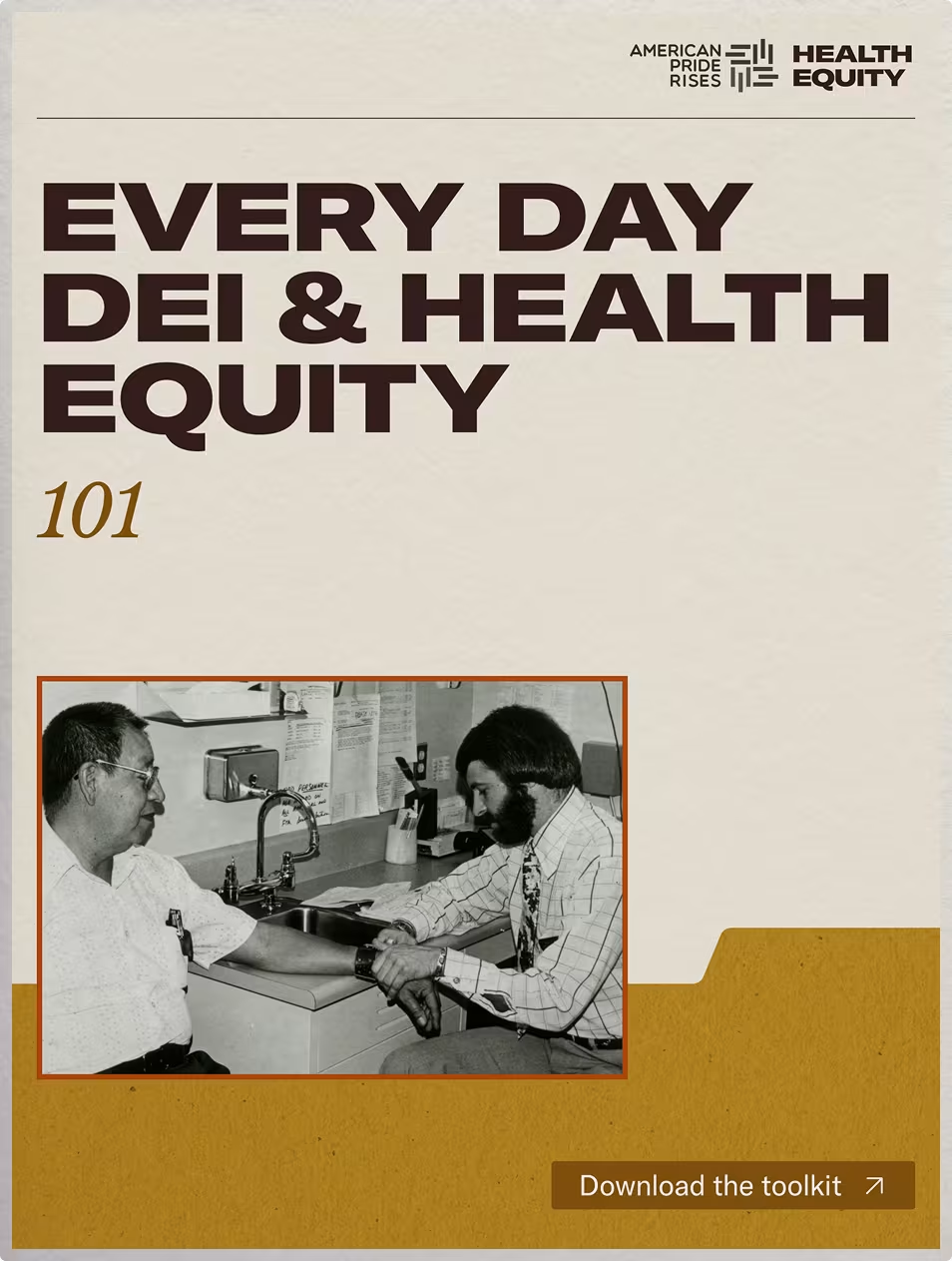
Take real action to help your family, neighbors, and community thrive.
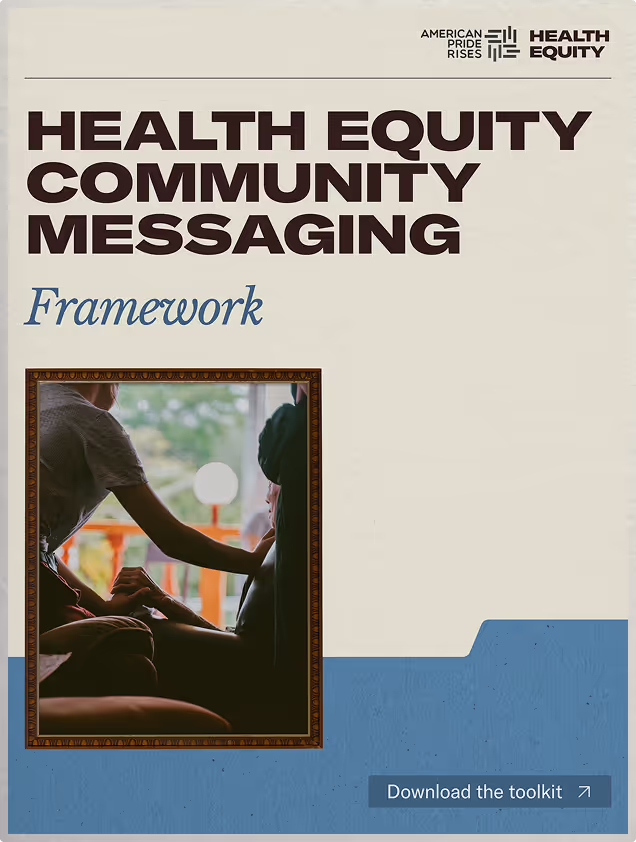
Spark conversations and mobilize your community to take meaningful action.
Taking care of each other is how we make good on the American promise.
We all deserve the chance to live healthy lives in the places we call home. As the threat to funding and coverage rollbacks continues to put access to health at risk, it’s up to us to stand up for ourselves and our neighbors.
Everyone has a role—whether you’re looking to take action, support your own well-being, or help neighbors and communities thrive. Learn more about what you can do to protect affordable healthcare for your communities and encourage your representatives to Just Fix It.
get to know the numbers

See how cuts will affect your costs. When coverage gets rolled back, families pay the price. Use the premium calculator or your renewal notice to see what rising costs could mean for your household. Understanding the real numbers helps you protect care close to home—before the burden grows.
Spread the Word

Show what’s really happening. Share your renewal notice, calculator results, or a quick post about rising costs. When neighbors see real numbers from real people, it builds urgency and strengthens the call to just fix it.
Take Action

Tell decision-makers to fix what’s breaking. Health shouldn’t depend on politics. Once you know what the cuts mean for you, send a message to your member of Congress. A quick email—with your real monthly costs—helps leaders understand the stakes and pushes them to protect funding, clinics, and coverage for your community.
Share Your Story

Your story matters, and by sharing your experiences, you’re helping to shed light on the real-world impact of medical expenses on individuals and families.
Together, we can make health accessible to all.


join us
As Medicaid and Medicare rollbacks grow, families are carrying more of the weight. Staying connected is how we protect each other and keep care close to home. Get updates, tools, and ways to protect care in your community.